
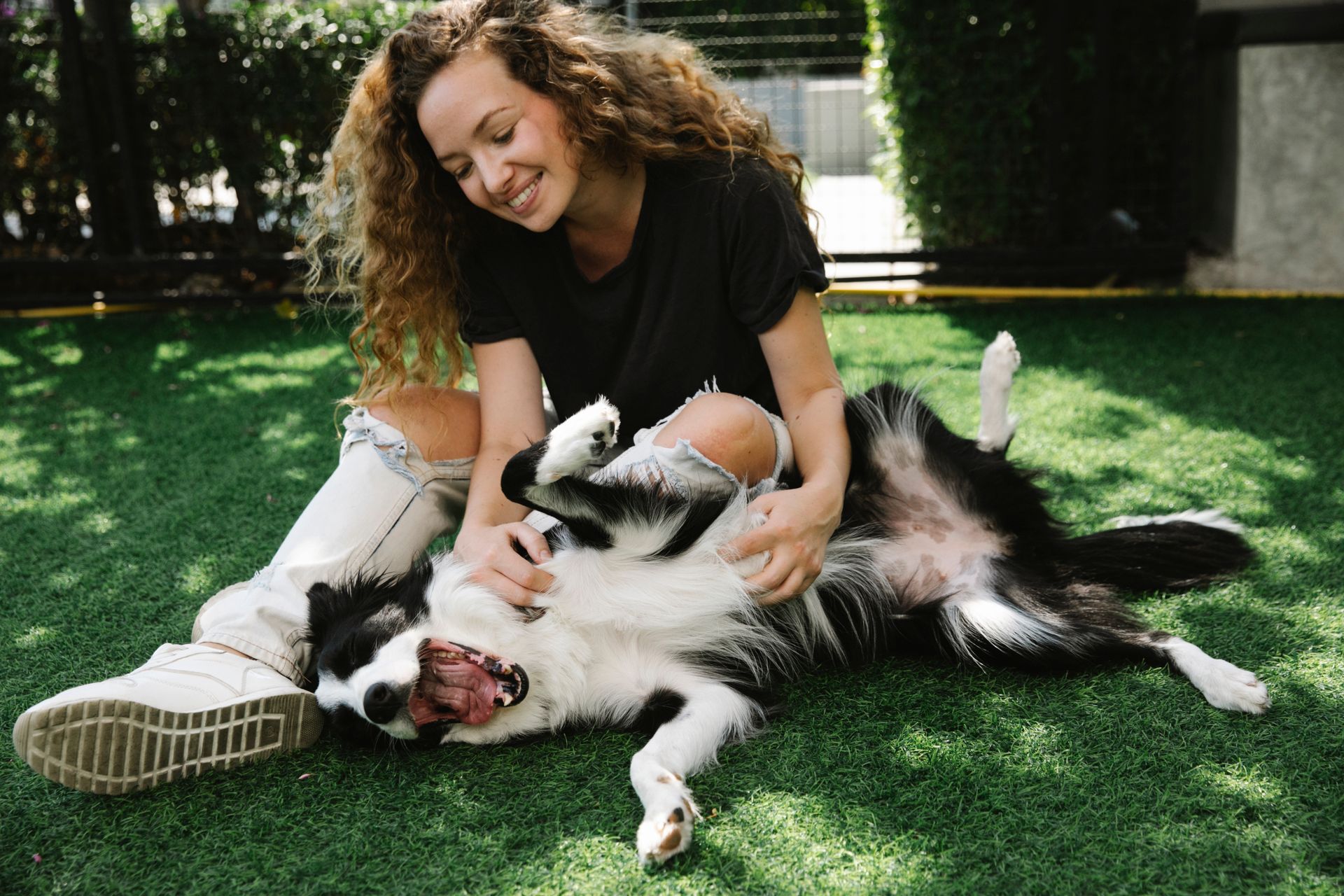
Decoding Dog Body Language: 5 Surprising Ways Your Dog Communicates

Developing a deep comprehension of dog body language is essential for anyone wishing to build a secure, communicative relationship with their canine companion. To observe a dog navigating a human environment is to witness an animal engaged in constant, silent translation. Because dogs lack human speech, they rely on a complex, multi-layered system of physical cues to broadcast their emotional states, boundaries, and intentions. Too often, however, well-meaning owners misinterpret these signals by projecting human emotions onto their pets, leading to communication breakdowns and preventable behavioral issues.
Feline and canine evolutionary histories have shaped distinct communication systems, but dogs are unique in how extensively they use physical posturing to interact with humans. From subtle micro-movements of their eyes to asymmetrical tail wags, dogs are constantly communicating. Decoding these visual signals requires an analytical, science-based approach to replace traditional myths with veterinary facts.
Table of Contents
Understanding Dog Behaviors through Visual Cues
To begin understanding dog behaviors, one must move past the simplistic assumption that a single body part tells the whole story. A common error is evaluating a dog’s emotional state solely by their tail. In reality, canine communication must be read in context, evaluating the entire body—including weight distribution, ear posture, pupil dilation, and muscle tension—simultaneously. A dog’s physical stance is a dynamic barometer of their internal nervous system.
To safely manage your companion’s social outings and facilitate proper training sessions, utilizing high-quality handling equipment is vital. A secure, comfortable walking harness (Premium Ergonomic No-Pull Dog Harness) is highly useful for managing your dog’s physical movements while keeping them relaxed and receptive to your training cues.
Decoding Common Canine Body Signals
Before analyzing the more surprising nuances of canine communication, it is important to establish a foundation in standard canine body signals. For example, the classic “play bow”—where a dog lowers their front chest to the ground while keeping their hindquarters raised—is a highly functional social signal. Known to behaviorists as a metacommunication, it serves as a physical “reset” button, signaling to other animals that any subsequent rough play is entirely non-threatening.
Conversely, raised fur along a dog’s spine—a phenomenon known as piloerection or “raised hackles”—is often misinterpreted as a sign of pure aggression. In reality, piloerection is an involuntary sympathetic nervous system response, much like goosebumps in humans. It simply indicates a state of high physiological arousal, which can be triggered by fear, intense play, surprise, or heightened excitement.
The Hidden Nuances of Dog Body Language
As veterinary behavioral science has advanced, researchers have uncovered several highly subtle, surprising ways that dogs communicate their internal states. Here are five surprising signals that every dog owner should understand:
1. Asymmetrical Tail Wagging (Left vs. Right)
For decades, a wagging tail was viewed simply as a sign of a happy dog. However, groundbreaking lateralization studies have revealed that the direction of a tail wag communicates specific emotional states. Because the left and right hemispheres of the canine brain control different emotional responses, a tail that wags predominantly to the right (viewed from behind) indicates positive emotions, such as excitement at seeing their owner. Conversely, a tail wagging predominantly to the left indicates negative, anxious, or defensive emotions, signaling discomfort with an approaching stranger or unfamiliar dog.
2. Displacement Yawning and Lip Licking
While humans yawn when tired and lick their lips after eating, dogs frequently utilize these behaviors as “displacement signals” under stress. When a dog finds themselves in a socially tense or confusing situation, they will often yawn deeply or flick their tongue out to lick their nose rapidly. This is an active self-soothing mechanism designed to reduce their own heart rate while signaling pacification to nearby humans or dogs, gently asking for space.
3. The “Whale Eye” (Sclera Exposure)
The “whale eye” occurs when a dog tenses their facial muscles and averts their head slightly, exposing the white crescent-shaped portion of their eye (the sclera). This is a highly critical warning signal. It indicates that the dog is experiencing extreme stress, anxiety, or is actively guarding a resource (such as a toy or food bowl). If you observe a whale eye, it is a clear signal to immediately stop your current interaction and give the animal physical space to decompress.
4. The Tense “Freeze”
A sudden, complete cessation of movement is often missed by owners, yet it is one of the most serious warnings a dog can give. When a dog tenses their muscles and freezes mid-interaction, they are not behaving calmly; they are experiencing a temporary shutdown before choosing to fight or flee. This freeze is often the final warning before a defensive snap or bite occurs, and must be treated with immediate respect.
5. Low-Frequency, Slow-Tempo Tail Wags
A tail that is held low and swept slowly back and forth is not a sign of relaxed happiness. This low-frequency, stiff wag indicates that the dog is actively evaluating a potential threat or is highly insecure about their environment. It is a state of cautious hesitation, and approaching a dog displaying this posture can easily trigger a defensive reaction.
For those who find their daily routines joyfully defined by the strength, energy, and loyalty of these powerful companion breeds, celebrating that partnership is a natural choice. To express your pet-owner pride and join our global network of animal lovers, explore the exclusive Dog Graphic Apparel at The Animal Republic.
-

Starpug T-Shirt
Starts from $23.99 -

Sleep With Corgi T-Shirt
Starts from $23.99 -

Hello Summer Dog Hoodie
Starts from $41.99 -

Talk To My Dog Sweatshirt
Starts from $37.99 -
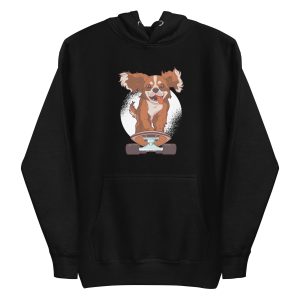
Cavalier Dog Skater Hoodie
Starts from $41.99
For detailed, professional guides on veterinary behavior, social socialization, and canine wellness, reference the resources published by the ASPCA website.
An Analytical Approach to Feline and Canine Partnerships
Learning to read these subtle shifts in posture allows you to navigate social situations safely and advocate for your pet’s comfort. By replacing human projections with objective, science-based behavioral analysis, you can establish a high-trust partnership built on clear communication, mutual respect, and long-term safety.
If your pet has successfully recovered from an illness, or if you need to report an error, update public records, or query our community support services, please contact our administrative moderation team directly at admin@theanimalrepublic.com.