
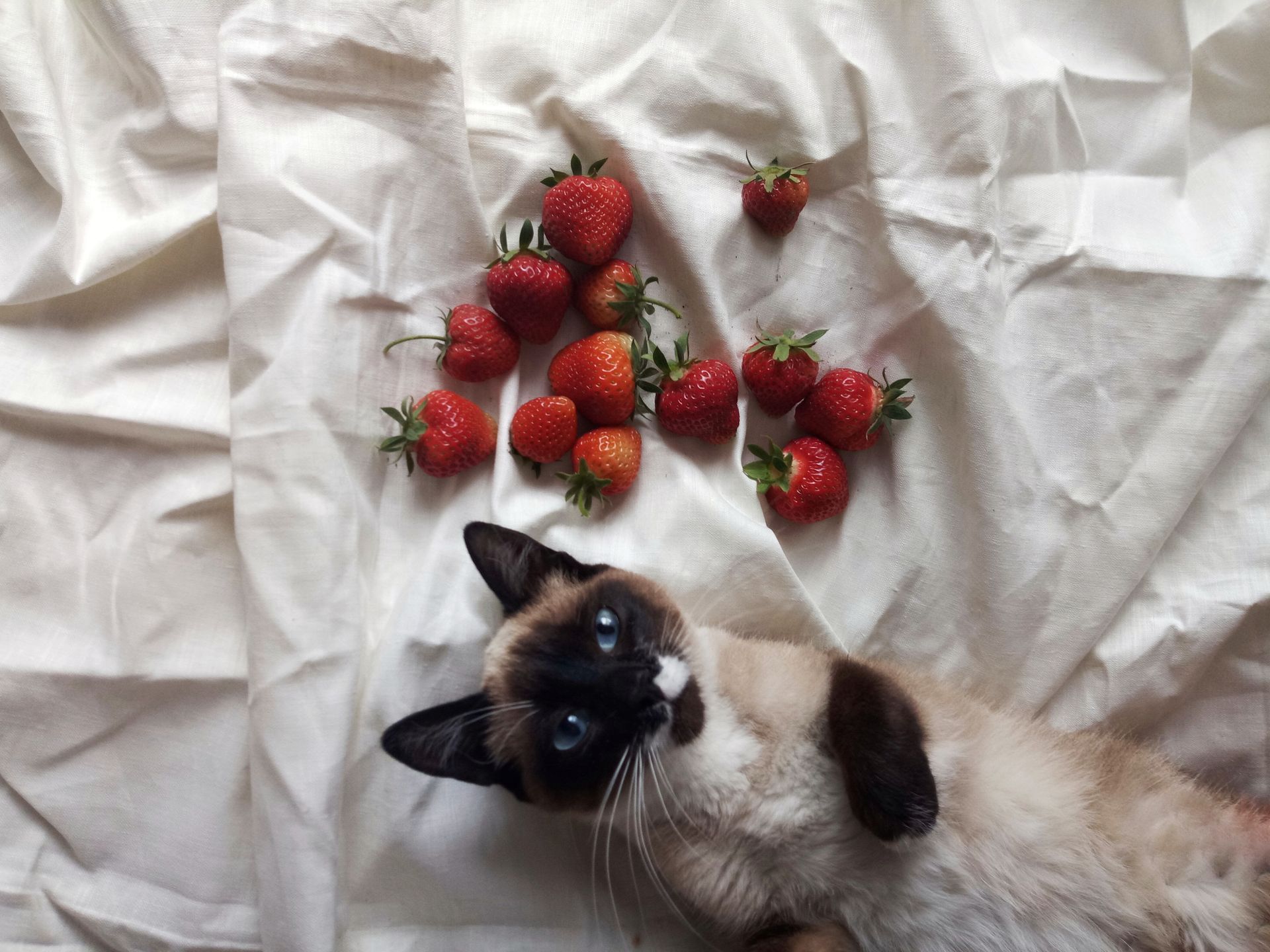
Safe Fruits for Cats: 5 Healthy Options and 3 to Avoid

When researching safe fruits for cats, many domestic pet owners are surprised to learn that while these animals are obligate carnivores, certain fruits can serve as safe and moisture-rich treats. To observe a domestic cat contemplating a piece of fresh produce is to witness a profound exercise in feline suspicion. Unlike dogs, which are opportunistic omnivores willing to ingest almost anything dropped from a kitchen counter, cats approach plant material with genetic reservation. This skepticism is entirely justified by their biology: cats are obligate carnivores, possessing a digestive system engineered to process animal proteins almost exclusively, and lacking the specific sweet taste receptors that make sugars appealing to other mammals.
While fruit is never a biological necessity in a feline diet, certain fruits can serve as safe, moisture-rich, and fiber-filled treats when offered in moderation. However, because a cat’s liver lacks the metabolic pathways to detoxify many plant-based compounds, several common household fruits are highly toxic. Understanding which fruits are safe and which pose severe medical risks is essential for any responsible pet parent.
Table of Contents
Can Cats Eat Fruit? Feline Biology and Digestion
Before introducing any fruit to your companion, it is vital to answer the question: can cats eat fruit safely? Unlike humans or dogs, cats derive no nutritional benefit from sugars. In fact, felines lack the glucokinase enzyme in their livers, which is necessary for processing large amounts of carbohydrates. Because of this, feeding cats high-sugar foods can lead to obesity and diabetes over time. Therefore, fruit should never be a primary food source.
When offering fruits, always follow the ten-percent rule: treats of any kind should never make up more than ten percent of your pet’s daily caloric intake. Always wash fresh fruits thoroughly to remove pesticide residue, completely remove all skins, seeds, or pits, and slice the flesh into tiny, bite-sized pieces to prevent choking or intestinal blockages.
The Healthy Five: Hand-Picked Healthy Fruits for Cats
When administered correctly and in moderation, these five healthy fruits for cats can safely supplement your pet’s diet with beneficial antioxidants, vitamins, and hydration.
1. Cantaloupe (and Other Melons)
Surprisingly, cantaloupe is one of the most popular fruits among domestic felines. This attraction is scientific rather than sweet-driven: cantaloupe contains volatile aroma compounds called amino acids that mimic the olfactory profile of meat proteins. High in water content and vitamins A and C, small, bite-sized pieces of cantaloupe or watermelon serve as an excellent hydrating snack during hot summer months.
2. Blueberries
Blueberries are packed with antioxidants, fiber, and vitamin C, which can support cellular health and immune function. Many commercial cat foods actually incorporate blueberry extract for its antioxidant properties. Offering one or two fresh, thoroughly washed blueberries is a safe, low-calorie treat that requires no chopping or peeling.
3. Apples
Apples are rich in dietary fiber and vitamin C, which can aid in digestive health. If your cat is intrigued by the crunchy texture of an apple, you can safely offer a paper-thin slice of the flesh. However, you must be extremely diligent: completely remove the core, stem, and all seeds, as apple seeds contain amygdalin, a compound that releases highly toxic cyanide when digested.
4. Strawberries
Strawberries can provide a safe source of dietary fiber, potassium, and vitamins. While cats cannot taste the sweetness, some are attracted to the texture and moisture of the fruit. Cut a tiny piece of the strawberry flesh (roughly the size of a blueberry) and remove the green leaves and stem entirely before offering it to your cat.
5. Bananas
Bananas are an excellent source of potassium, vitamin B6, and highly digestible soluble fiber. If your cat enjoys the soft texture, you can offer a tiny, mashed portion. However, because bananas are exceptionally dense in natural sugars and starches, they must be offered in very small quantities to prevent digestive upset or weight gain.
The Dangerous Three: Toxic Fruits for Cats to Avoid
While some fruits support feline health, others can trigger acute medical crises. Keep these three common household toxic fruits for cats entirely out of your pet’s reach.
1. Grapes and Raisins
Grapes, raisins, and currents are highly toxic to cats and must be kept entirely out of their reach. Even a very small ingestion can cause sudden, acute kidney failure. While the exact toxic agent inside grapes is still being researched, veterinary medicine has established a direct link between grape ingestion and irreversible renal damage. Symptoms of poisoning include vomiting, lethargy, and decreased urination.
2. Citrus Fruits (Oranges, Lemons, Limes, Grapefruits)
All parts of citrus fruits—including the flesh, peel, seeds, and leaves—contain varying amounts of citric acid and essential oils like limonene and linalool. These compounds are highly toxic to a cat’s sensitive digestive and central nervous systems. Even minor contact with citrus oils can cause severe skin irritation, while ingestion of the fruit can lead to vomiting, diarrhea, drooling, and central nervous system depression.
3. Cherries
While the flesh of a ripe cherry is technically non-toxic, the surrounding components are extremely hazardous. The stems, leaves, and pits of cherries contain cyanide, which is highly toxic to cats if chewed and swallowed. Furthermore, the hard cherry pit represents a significant choking hazard and can easily cause a physical blockage in your cat’s delicate digestive tract.
Determining the Benefits of Safe Fruits for Cats
Understanding how to select safe fruits for cats allows you to enrich your pet’s life with healthy, moisture-rich treats that support their long-term well-being. By utilizing these organic treats, you can provide mental stimulation and support their hydration during hot summer days.
Preparing fresh, frozen treats using safe fruits is a simple way to reward your cat. If you plan to puree safe fruits like blueberries and bananas to freeze as a refreshing snack, utilizing a durable, easy-to-clean silicone baking mold (Premium Silicone Pet Treat Mold) can make the process clean and effortless.
For those whose lives are deeply enriched by the elegant, quiet presence of a feline companion, showing that devotion is a daily joy. To express your feline appreciation in a sophisticated, minimalist fashion, explore the collection of premium Cat Graphic Apparel at The Animal Republic.
-

Sleepy Cat Sweatshirt
Starts from $37.99 -

Cat In Box T-Shirt
Starts from $23.99 -

Angry Cat T-Shirt
Starts from $23.99 -

Space Cat Hoodie
Starts from $41.99 -

Robocat Hoodie
Starts from $41.99
For detailed, professional guides on veterinary health and feline behaviors, you can always reference the resources published by the Cornell Feline Health Center website.
If your pet has successfully recovered from an illness, or if you need to report an error, update public records, or query our community support services, please contact our administrative moderation team directly at admin@theanimalrepublic.com.