
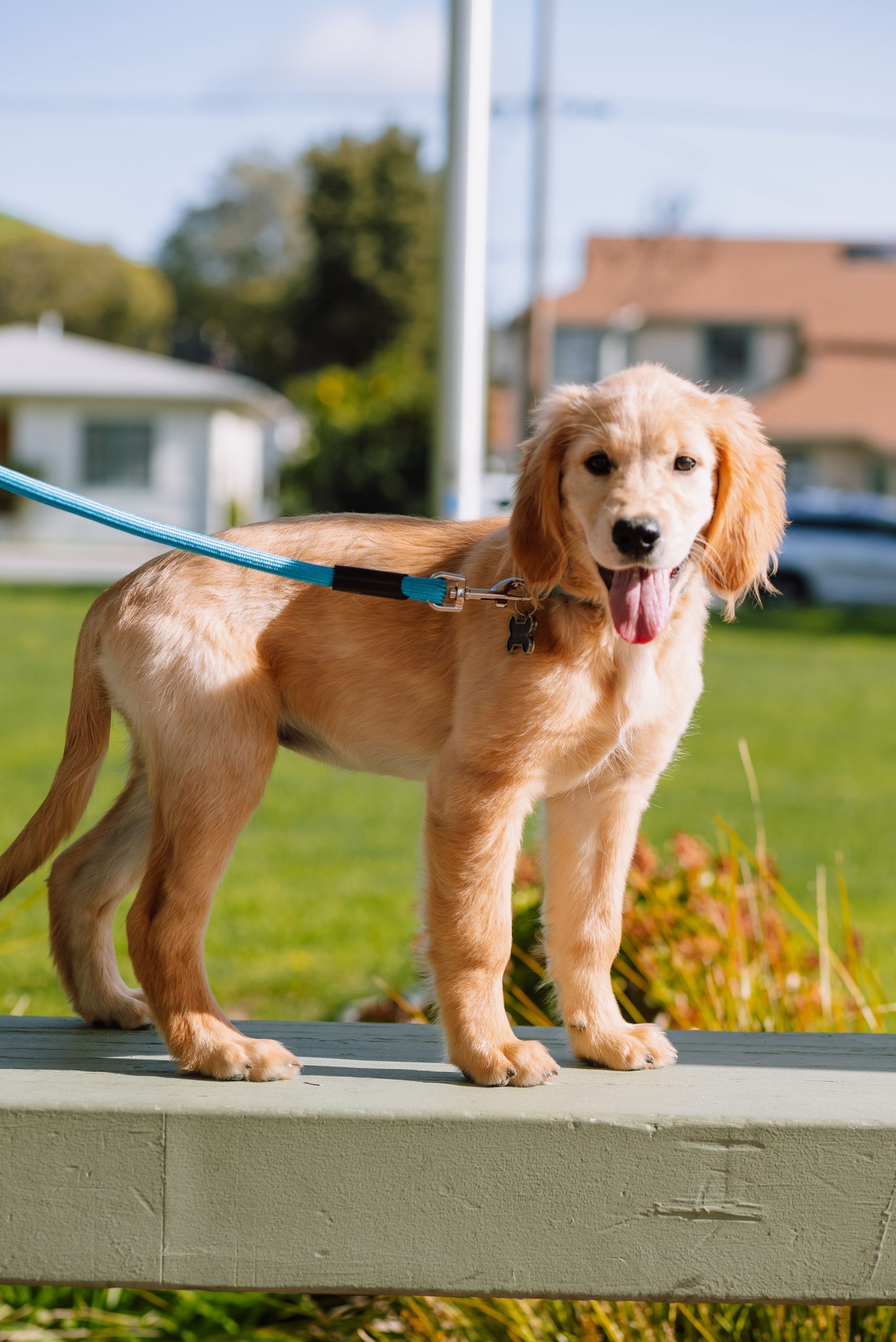
The Complete Guide to Leash Training Your Puppy: From First Steps to Confident Walks

Learning how to leash train a puppy is one of the most critical steps in establishing a lifetime of safe, enjoyable outdoor companionship. For a young canine, a leash is an entirely unnatural constraint—a physical barrier imposed upon an animal whose natural mode of navigation is free-roaming, spontaneous, and driven by scent. Left unguided, a puppy’s natural reaction to this restraint is physical resistance, manifested through frantic pulling, stubborn freezing, or vocal distress. Transforming the daily walk from a chaotic struggle into a cooperative, structured ritual requires a solid understanding of canine psychology, the correct tools, and a patient, methodical progression.
Leash training is not merely a matter of convenience; it is a fundamental pillar of canine safety, social integration, and preventative behavioral care. By establishing clear communication and positive associations, you can guide your pet through the early stages of leash introduction without triggering the anxiety and resistance that often lead to chronic pulling behaviors in adulthood.
Table of Contents
The Behavioral Blueprint: How to Leash Train a Puppy
Before stepping onto the sidewalk, you must address the physical objects of restraint. Placing a heavy collar or harness on a young canine can trigger immediate sensory overload. To a young dog, this unfamiliar weight feels like a physical trap. Understanding how to leash train a puppy begins with desensitizing them to this gear in a safe, quiet indoor environment.
Begin by placing your collar or harness on the floor, allowing your pet to sniff and investigate it. Pair its presence with highly valued treats or positive verbal praise. Once they are comfortable with the object, gently place the gear on them for brief intervals, ideally during moments of high-value distraction, such as feeding times or active play. This associates the physical sensation of the gear with positive experiences, preventing the initial panic of physical confinement.
Step-by-Step Guide to Puppy Leash Training
The biggest mistake most dog owners make is taking a newly leashed animal directly outside. The outdoor world is a chaotic sensory landscape filled with competing noises, moving objects, and novel scents that make focused puppy leash training nearly impossible for a young mind. Instead, initiate your early walking sessions inside the familiar comfort of your home.
Attach a lightweight leash to your pet’s collar or harness and let them drag it around under close supervision. Once they are accustomed to the trailing leash, pick up the handle. Rather than pulling your puppy toward you, walk a few steps away and encourage them to follow you using a cheerful, inviting tone. When they walk beside you without tension on the line, immediately reward them with a high-value treat. This teaches the fundamental rule of leash training a puppy: remaining close to the handler yields positive results.
Essential Gear for Leash Training a Puppy
Selecting the correct tools can make the difference between a frustrating struggle and a gentle learning experience. Avoid equipment that relies on physical pain or sudden constriction, as these methods can induce chronic stress and fear-based behaviors.
- Flat Collars: Standard buckled collars are suitable for basic identification and training, provided your pet does not pull heavily, which can strain their delicate trachea.
- Front-Clip Harnesses: For puppies prone to pulling, a harness that clips in the center of the chest is highly effective. When the puppy pulls, the front clip gently redirects their momentum back toward you, neutralizing their pulling power without causing physical pain.
- Standard Six-Foot Leashes: A fixed leather or nylon leash provides the ideal balance of control and freedom. Avoid retractable leashes, which teach young dogs that constant pulling is rewarded with more freedom.
To support your training efforts, utilizing durable, professional-grade equipment is critical. If you are searching for a high-quality, lightweight training treat bag to keep rewards readily accessible on your walks, utilizing an ergonomic treat pouch (Professional Pet Training Treat Pouch) will ensure your timing remains precise and effective.
Managing Outdoor Distractions
Once your pet can walk on a loose leash indoors, it is time to transition to the quietest outdoor environment available, such as a private backyard or a secluded cul-de-sac. The moment you step outside, your puppy’s brain is flooded with sensory data—the scent of damp grass, the motion of distant vehicles, and the rustle of leaves.
Expect some initial regression. If your puppy freezes or pulls toward a distraction, do not yank the leash or drag them along. Instead, stand completely still, acting as an anchor. Wait for your puppy to look back at you or slacken the leash. The very instant the tension on the leash is released, praise them and reward them with a high-value treat. This teaches the puppy that pulling gets them nowhere, while a relaxed leash is the only key that unlocks forward movement.
For those who find their daily routines defined by devotion to their four-legged companions, celebrating that connection often extends beyond the kitchen. If you want to showcase your canine pride, explore the exclusive Dog Graphic Apparel available at The Animal Republic.
-

Pug Yoga Hoodie
Starts from $41.99 -

German Shepherd Native T-Shirt
Starts from $23.99 -
Whippet Dog T-Shirt
Starts from $23.99 -

Unicorn Dog Hoodie
Starts from $41.99 -

Fall Dog T-Shirt
Starts from $23.99
To learn more about professional training methodologies and modern reward-based learning, you can always reference the resources published by the Association of Professional Dog Trainers website.
If your pet has successfully recovered from an illness, or if you need to report an error, update public records, or query our community support services, please contact our administrative moderation team directly at admin@theanimalrepublic.com.