Why Do Pets Go Missing in Summer? July Hazards and Protection

Understanding exactly why do pets go missing in summer is a critical step for every household, especially as municipal shelters brace for their highest influx of the year during the month of July. For animal welfare professionals, veterinary clinics, and rescue organizations across North America, the mid-summer season is defined by a predictable, distressing surge in shelter intakes. According to national pet recovery databases, more dogs and cats disappear during July than in any other month, creating an annual logistical and emotional crisis for families and rescue workers alike.
This annual influx is not a random occurrence. It is the direct result of a perfect storm of environmental triggers, human behavioral shifts, and canine and feline survival instincts. To protect your companion from becoming another statistic during these hazardous months, you must understand the underlying science of the summer flight risk and implement rigorous, preventative safeguards.
Table of Contents
Acoustic Panic and Other Summer Pet Safety Hazards
The single greatest contributor to the annual spike in lost pets is acoustic panic, primarily triggered by summer celebrations, holiday pyrotechnics, and seasonal thunderstorms. These situations represent critical summer pet safety hazards that simulate a life-threatening natural disaster to a domestic animal. Because canine and feline hearing is vastly more sensitive than human hearing, the sudden, unpredictable detonations of fireworks and thunderclaps cause intense sensory distress.
The sharp, high-decibel crackle of these events triggers an immediate, neurological fight-or-flight response. Under the influence of this intense adrenaline surge, animals lose their capacity for rational behavior. Normally calm dogs will scale high fences, break through glass windows, or dig beneath concrete barriers to escape the sound. Cats will bolt into crawlspaces, sewer systems, or dense brush, entering a state of fear-induced displacement that makes them silent and nearly impossible to locate.
Furthermore, the general lifestyle shifts of mid-summer create continuous, low-level opportunities for escape. July is the season of outdoor hosting, backyard barbecues, and household maintenance. As family members and guests move continuously between the house and the yard, doors and patio gates are frequently left unlatched, creating easy exit portals.
The Environmental Science Behind Why Do Pets Go Missing in Summer
When an animal wanders away from home during cooler seasons, their primary tool for navigation is their sense of smell. They follow their own scent trails or familiar environmental scent markers back to their doorstep. However, the high heat and dry air of July dramatically alter how scent particles behave, which explains a large part of why do pets go missing in summer.
In hot, dry conditions, moisture on the ground evaporates rapidly, causing physical scent trails to break down and dissipate within hours. Additionally, active asphalt, dust, and localized pollen can overwhelm an animal’s olfactory receptors. When a dog or cat becomes disoriented in the summer heat, they cannot rely on their nasal passages to navigate home, causing them to wander further away in search of shade and water, expanding the physical search radius significantly.
To support your efforts in maintaining a secure perimeter and preventing escapes, having highly durable containment tools is essential. Utilizing a heavy-duty, weather-resistant gate latch or a secure, reinforced lock (Premium Heavy-Duty Self-Closing Gate Latch) can ensure that backyard barriers remain fully locked even during busy summer gatherings.
Practical Lost Pet Prevention Tips for Your Household
Preventing an escape requires a combination of behavioral management, physical barriers, and digital safeguards. Implementing these standard lost pet prevention tips can help ensure your pet remains safe and secure throughout the high-risk season:
- Secure the Environment During Storms and Celebrations: Keep your pets indoors in a quiet, interior room with the windows tightly shut and screens locked. Play white noise, soft classical music, or run a fan to mask the sudden bangs of thunderstorms or fireworks.
- Utilize High-Quality Identifications: Ensure your pet wears a comfortable, secure collar equipped with a legible, up-to-date ID tag listing your direct phone number. Verify that your pet’s microchip is registered with your current address and contact details in the national recovery registry.
How to Prevent a Dog Escaping Yard in Summer
To address the specific risk of a dog escaping yard in summer, homeowners must conduct weekly perimeter audits. Walk along your fence line and inspect the ground for any signs of digging, loose soil, or structural decay. Check that gate hinges are secure and that self-closing latches are fully functional. Never leave your dog unmonitored in the yard during peak heat hours or when distant thunder is audible, as a sudden panic response can prompt them to scale barriers they would normally never attempt.
Leveraging the Republic Community If Your Pet Goes Missing
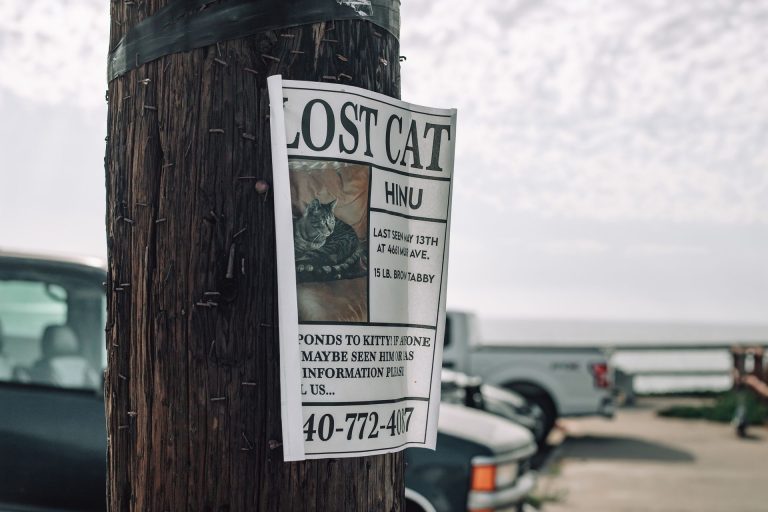
If your pet does slip their collar or wander away during a summer outing, do not navigate the search alone. Traditional social media posts can quickly disappear from feeds, but systematic local search engines can close the gap.
For those whose lives have been permanently shaped by the profound, sometimes transient, presence of a pet, carrying a symbol of that bond is a deeply personal choice. To celebrate your enduring dedication to animal welfare, explore the Dog and Cat Graphic Apparel at The Animal Republic.
-

Robocat T-Shirt
Starts from $23.99 -

Sleepy Cat Hoodie
Starts from $41.99 -

Pug Yoga T-Shirt
Starts from $23.99 -

Fall Dog Hoodie
Starts from $41.99 -

German Shepherd Native Sweatshirt
Starts from $37.99
For detailed, professional guides on managing pet anxiety and noise phobias, you can always reference the resources published by the ASPCA Pet Care Guidelines website.