Safe Bones for Dogs: 5 Vet-Approved Options and 3 to Avoid

Sourcing safe bones for dogs is a critical task for any pet owner looking to satisfy their companion’s primal urge to chew without risking serious veterinary emergencies. For millennia, canines have chewed on carcasses in the wild, utilizing bones as a primary source of dietary calcium, phosphorus, and essential marrow fats. In the modern domestic home, however, simply throwing a leftover table bone to your pet is an invitation to medical disaster. Every year, thousands of dogs undergo emergency surgeries to remove splintered bone shards lodged in their throats, stomachs, or intestines.
Chewing is an essential, hardwired canine behavior that provides valuable mental enrichment, relieves anxiety, and mechanically cleans plaque from teeth. However, the safety of this activity depends entirely on the structural density, moisture content, and preparation of the bone. Understanding the biological difference between digestible, flexible raw structures and highly brittle, cooked fragments is the key to protecting your pet’s health while satisfying their instinctual drives.
Table of Contents
Anatomical Security: How to Choose Safe Bones for Dogs
Selecting safe bones for dogs requires matching the physical density of the chew to your pet’s breed size and jaw strength. A bone that is too small poses an immediate swallowing and choking hazard. Conversely, a bone that lacks adequate pliability can cause painful tooth fractures in powerful chewers. The safest options are raw, non-weight-bearing structures that yield slightly to mechanical pressure, preserving dental enamel while cleaning plaque.
To support your dog’s behavioral enrichment and manage heavy chewing habits, investing in high-quality tools is essential. A durable, heavy-duty storage container (Premium Heavy-Duty Pet Toy Storage Bin) is highly useful for organizing your dog’s collection of safe chews and rotating them to maintain mental stimulation.
Can Dogs Chew Raw Bones Safely?
Before introducing any fresh treat, many owners ask: can dogs chew raw bones without health risks? The consensus among holistic veterinarians is yes, provided they are raw, uncooked, and monitored closely. Raw bones are soft, pliable, and fully digestible by the highly acidic environment of the canine stomach. They contain live enzymes, minerals, and marrow that contribute directly to joint and coat health, making them vastly superior to synthetic options.
The 5 Best Vet-Approved Options
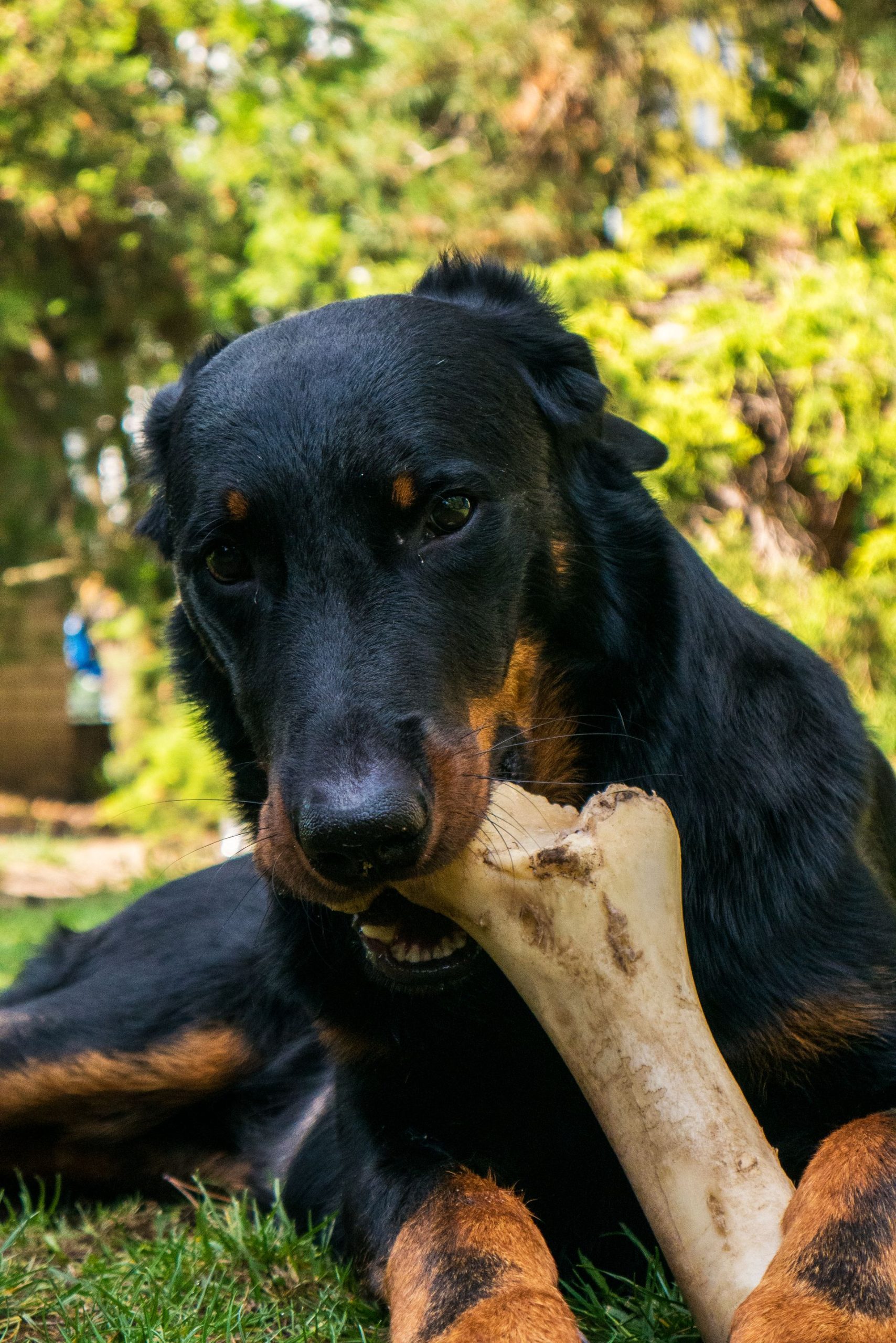
- Raw Beef Marrow Bones (Femur/Knuckle): These large, dense bones are ideal for larger breeds. Because they are raw and structurally robust, dogs shave off small, harmless pieces rather than splintering the core.
- Raw Lamb Shanks: Sourced from younger animals, these bones are slightly softer than beef, making them a safe, high-calcium option for medium-sized dogs.
- Raw Turkey Necks: Consisting of soft, fully digestible cartilage and vertebrae, raw turkey necks act as a natural dental floss, mechanically cleaning the teeth as they are chewed and swallowed.
- Raw Chicken Necks/Frames: Ideal for smaller dogs and puppies. These bones are soft, pliable, and present virtually zero risk of dental damage or splintering when fed entirely raw.
- Dehydrated / Cold-Smoked Beef Ribs: Processed specifically for dogs through slow dehydration rather than cooking, these remain flexible and digestible while retaining their appealing natural aroma.
Why Cooked Bones Are Toxic for Dogs
While raw bones are flexible and digestible, the cooking process completely alters the cellular structure of bone, rendering cooked bones toxic for dogs. High heat dehydrates the bone matrix, making it brittle, rigid, and prone to splintering into needle-sharp shards upon impact. When ingested, these sharp fragments can lacerate the esophagus, puncture the stomach lining, or cause a life-threatening intestinal blockage.
The 3 Dangerous Options to Avoid
- Cooked Poultry Bones (Chicken/Turkey): Cooked wings, legs, and frames are highly brittle and split instantly into sharp needles, posing an immediate risk of internal puncture.
- Cooked Pork Bones (Chops/Ribs): Pork bones are structurally softer than beef, meaning even minor cooking renders them exceptionally brittle and prone to crumbling into jagged shards.
- T-Bones and Small Steak Bones: The sharp, triangular edges of T-bones are notorious for wedging in the roof of a dog’s mouth or throat, causing severe lacerations and choking.
Exploring Durable Dog Chew Alternatives
For owners who prefer to avoid the mess or risks associated with raw bones, exploring durable dog chew alternatives is highly recommended. Utilizing ultra-dense natural rubber toys, compressed nylon chew bones, or organic antler sheds can satisfy your pet’s instinctual need to chew while ensuring complete peace of mind. These alternatives offer long-lasting utility and are easy to clean, making them a practical addition to your dog’s enrichment rotation.
For those whose lives have been permanently shaped by the profound, sometimes transient, presence of a pet, carrying a symbol of that bond is a deeply personal choice. To celebrate your enduring dedication to animal welfare, explore the Dog and Cat Graphic Apparel at The Animal Republic.
-

Robocat T-Shirt
Starts from $23.99 -

Sleepy Cat Hoodie
Starts from $41.99 -

Pug Yoga T-Shirt
Starts from $23.99 -

Fall Dog Hoodie
Starts from $41.99 -

German Shepherd Native Sweatshirt
Starts from $37.99
For detailed, professional guides on canine nutrition, raw diets, and dietary safety, reference the comprehensive resources published on the ASPCA Dog Nutrition Guidelines website.
If your pet has successfully recovered from an illness, or if you need to report an error, update public records, or query our community support services, please contact our administrative moderation team directly at admin@theanimalrepublic.com.