
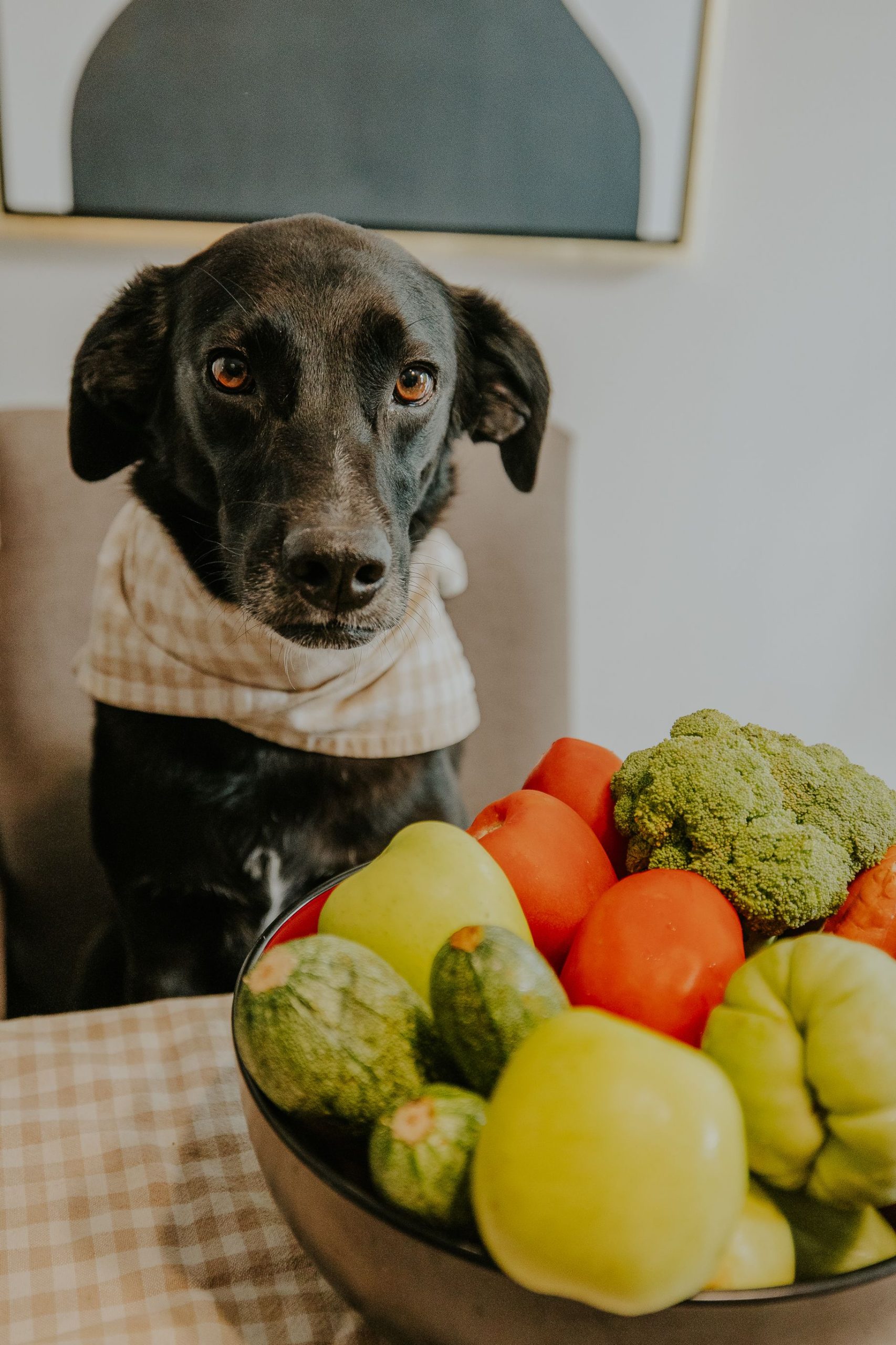
Safe Vegetables for Dogs: 5 Healthy Options and 3 to Avoid

When researching safe vegetables for dogs, many pet parents are pleased to learn that these nutrient-dense plants can serve as excellent, low-calorie treats for their canine companions. For thousands of years, dogs have lived alongside human communities, evolving from strictly carnivorous wild predators into highly adaptable, opportunistic omnivores. This genetic transition has granted domestic canines the physiological capability to digest and derive valuable nutritional benefits from carbohydrates, starches, and plant-based fibers.
However, incorporating fresh produce into your dog’s daily routine requires careful curation. While many vegetables offer outstanding dental and digestive benefits, others contain organic chemical compounds that can cause severe, life-threatening internal damage. To keep your pet secure, you must understand the underlying science of dog-safe produce, learning which options support their long-term wellness and which present an immediate medical emergency.
Table of Contents
Can Dogs Eat Vegetables? Feline vs. Canine Digestion
Before introducing any fresh plant matter into your pet’s bowl, it is important to address the basic biological question: can dogs eat vegetables safely? Unlike cats, which are obligate carnivores and lack the metabolic pathways to process plant material efficiently, dogs possess specialized digestive enzymes (such as amylase produced in their pancreas) that break down starches and plant fibers. This allows dogs to safely absorb vitamins, minerals, and antioxidants from fresh vegetables.
However, vegetables should never replace high-quality, meat-based proteins as the primary foundation of your dog’s diet. Treat fresh produce as an occasional reward or meal topper, ensuring that all treats combined do not exceed ten percent of your pet’s daily caloric intake. Always wash fresh vegetables thoroughly to remove pesticide residues, remove any tough skins, outer husks, or seeds, and chop the flesh into small, manageable pieces to prevent choking.
The Healthy Five: Nutritious and Healthy Vegetables for Dogs
When administered correctly and in moderation, these five healthy vegetables for dogs can safely supplement your pet’s diet with beneficial vitamins, minerals, and digestive support.
1. Carrots
Carrots are an exceptional source of beta-carotene, which the canine liver converts into vitamin A to support optical health and immune function. They are also packed with soluble fiber and are highly low-calorie. When fed raw, the tough, fibrous texture of carrots acts as a natural abrasive tool, scraping away plaque and tartar buildup as your dog chews. For teething puppies, cold or frozen raw carrot sticks can also provide soothing relief for sore gums.
2. Green Beans
Green beans are highly recommended by veterinarians, particularly for dogs requiring weight management. They are packed with essential iron, calcium, and vitamins A, C, and K. Because they are exceptionally low in calories yet high in fiber, adding plain, steamed, or raw green beans to your dog’s bowl helps them feel full and satisfied without contributing to excessive weight gain.
3. Broccoli
Broccoli is rich in fiber, potassium, and vitamin C. It also contains powerful compounds called isothiocyanates, which help fight cellular damage. However, portion control is critical with this vegetable: broccoli florets contain small amounts of these compounds, which can cause mild gastric irritation in some dogs if they make up more than ten percent of their daily food intake. Offer steamed, plain broccoli stems and florets in very small, occasional portions.
4. Cucumbers
Consisting of approximately 96 percent water, cucumbers are an outstanding hydrating treat for dogs during hot summer months. They contain virtually zero carbohydrates, fats, or heavy sugars, making them a safe snack for overweight dogs or those managing canine diabetes. Slice cucumbers into thin, peeled rounds to prevent choking.
5. Celery
Celery is rich in vitamins A, B, and C, and contains nutrients that support cardiovascular health and reduce inflammatory markers. The highly fibrous, crunchy stalks require significant chewing, which stimulates saliva production and helps freshen bad canine breath. Always cut celery stalks into short, bite-sized pieces to prevent the tough, stringy fibers from causing an intestinal obstruction.
The Dangerous Three: Toxic Vegetables for Dogs
While many plants support canine wellness, others contain natural chemical defenses that are hazardous to pets. Keep these three common household toxic vegetables for dogs entirely out of your pet’s reach.
1. Onions, Garlic, and Chives (Allium Family)
All members of the Allium family contain organic compounds called thiosulfates. While humans process these compounds easily, dogs lack the necessary enzymes to digest them. Ingestion of onions or garlic causes oxidative damage to your dog’s red blood cells, leading to a serious medical condition called hemolytic anemia (Heinz body anemia). This toxicity can occur from a single large ingestion or from repeated small exposures to cooked or powdered onions and garlic. symptoms include pale gums, lethargy, and dark-colored urine.
2. Wild Mushrooms
While cultivated button mushrooms from the grocery store are generally non-toxic, wild mushrooms growing in backyard lawns, forests, and damp soils represent a critical hazard. Many common wild species contain deadly mycotoxins that cause rapid, irreversible liver and kidney failure, as well as severe neurological damage. Because distinguishing safe mushrooms from toxic species requires specialized mycological training, treat all wild mushrooms as highly dangerous and remove them from your yard immediately.
3. Green Tomatoes and Raw Potatoes (Nightshade Family)
Members of the Solanaceae (nightshade) family contain a natural defense chemical called solanine. Ripe, red tomatoes and thoroughly cooked potatoes are safe for dogs in moderation because the cooking process or ripening neutralizes the toxin. However, green, unripe tomatoes, tomato stems, tomato leaves, and raw, unpeeled green potatoes contain high concentrations of solanine. Ingesting these green plant parts can cause severe gastrointestinal distress, cardiac fluctuations, and neurological depression.
Determining the Benefits of Safe Vegetables for Dogs
Understanding how to select safe vegetables for dogs allows you to enrich your pet’s life with healthy, low-calorie treats that support their long-term well-being. By utilizing these organic treats, you can provide mental stimulation and support their digestive health.
Preparing fresh, steamed vegetable purees using safe vegetables is a simple way to reward your dog. If you plan to blend safe vegetables like carrots and green beans into a smooth puree to mix into your pet’s regular kibble, utilizing a durable, easy-to-clean silicone baking mold (Premium Silicone Pet Treat Mold) can make the process clean and effortless.
For those who find their daily routines joyfully shaped by the physical energy and loyalty of these powerful companion breeds, celebrating that partnership is a natural choice. To express your pet-owner pride and join our global network of animal lovers, explore the Dog Graphic Apparel available at The Animal Republic.
-

Pug Yoga Hoodie
Starts from $41.99 -

German Shepherd Native T-Shirt
Starts from $23.99 -

Whippet Dog T-Shirt
Starts from $23.99 -

Unicorn Dog Hoodie
Starts from $41.99 -

Fall Dog T-Shirt
Starts from $23.99
Always introduce new treats gradually to monitor your pet for any signs of an allergic reaction or digestive upset. For trusted information on plant-based toxicities, you can always reference the professional guidelines listed on the ASPCA Animal Poison Control Center website.
If your pet has successfully recovered from an illness, or if you need to report an error, update public records, or query our community support services, please contact our administrative moderation team directly at admin@theanimalrepublic.com.