The Power of the Microchip: Why Visual Tags Aren’t Enough for Lost Dogs

Understanding the full scope of dog microchip benefits is a vital component of proactive pet ownership, yet many owners still rely solely on traditional collar tags for security. Every year, millions of canine companions wander away from home, slipping through open gates, breaking window screens, or bolting during loud summer celebrations. In these high-stress situations, a standard collar can easily snag on a branch, slip over a frightened dog’s ears, or be intentionally removed, leaving the animal completely anonymous and vulnerable in a complex shelter system.
While visual identification tags remain an essential first line of defense, they represent a vulnerable, external point of failure. Conversely, a microchip provides a permanent, tamper-resistant form of identification that cannot be lost, worn down, or removed. Understanding the physiological science behind microchipping, paired with strict registry maintenance, is one of the most effective ways to guarantee your companion’s safe, rapid return if they ever wander from home.
Table of Contents
The Technological Reality of Dog Microchip Benefits
To fully appreciate the scope of dog microchip benefits, one must understand how this passive technology operates. A microchip is not a global positioning system (GPS) tracker; it does not require a battery, nor does it transmit a continuous signal. Instead, it is a tiny, bio-compatible glass capsule—roughly the size of a single grain of rice—containing a passive Radio-Frequency Identification (RFID) transponder.
The microchip is injected subcutaneously between the dog’s shoulder blades during a quick, low-pain procedure similar to a standard vaccination. When an RFID scanner is passed over the area, the microchip is temporarily activated by the scanner’s low-power radio frequency, transmitting a unique, 15-digit identification number back to the device. Because the technology is passive, a microchip will never expire or require recharging, remaining fully functional for the entire duration of your pet’s life.
To complement this permanent electronic safeguard and manage your daily training and walking routines securely, investing in durable gear is essential. A robust, secure walking harness (Premium Ergonomic No-Pull Dog Harness) is highly useful for preventing sudden slips and escapes during outdoor outings, keeping your pet securely attached to your side.
How to Register a Dog Microchip for Maximum Security
While the physical implantation of the chip is a vital step, the system is completely useless unless you know how to register a dog microchip correctly. Many pet owners falsely believe that the veterinary clinic automatically registers their personal contact details in the national recovery database. In reality, the chip only registers a unique serial number, which must be manually linked to your name, phone number, and address inside a recognized registry database.
To secure your registry, identify the manufacturer of your pet’s chip and register the number through an accredited national database, such as the American Animal Hospital Association (AAHA) Universal Microchip Lookup tool. Most importantly, you must proactively update this registry whenever your contact details change, such as after a residential move or a change in your primary phone number. A microchip with outdated contact information is a dead end for shelter workers attempting to verify ownership.
Integrating Microchips with Other Lost Dog Prevention Tips
Relying solely on a single security measure is never a recommended strategy for family safety. Instead, incorporate microchipping into a broader, multi-layered system of lost dog prevention tips to secure your household:
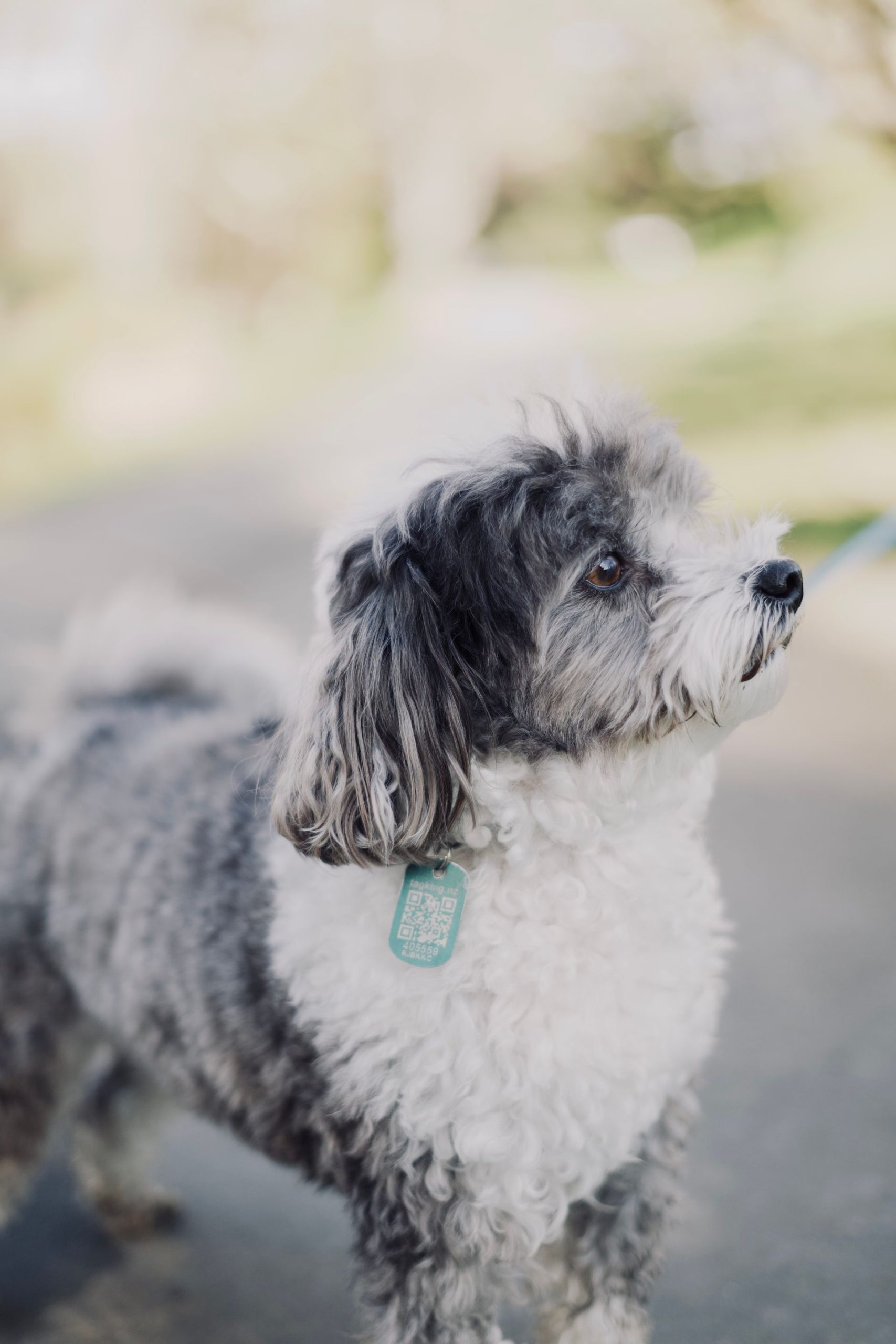
- Maintain a Physical Collar and ID Tag: Even with a microchip, your dog should always wear a comfortable, secure collar with an engraved tag. This allows any neighbor who spots your pet to return them immediately without needing to transport them to a clinic for a professional scan.
- Conduct Regular Fence Audits: Walk your property lines weekly, inspecting the ground for signs of digging, loose boards, or faulty self-closing gate latches that could allow your pet to slip out unnoticed.
For those who find their daily routines joyfully defined by the strength, energy, and loyalty of these powerful companion breeds, celebrating that partnership is a natural choice. To express your pet-owner pride and join our global network of animal lovers, explore the exclusive Dog Graphic Apparel at The Animal Republic.
-
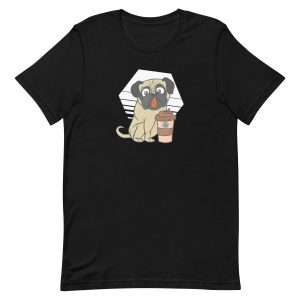
Starpug T-Shirt
Starts from $23.99 -

Sleep With Corgi T-Shirt
Starts from $23.99 -

Hello Summer Dog Hoodie
Starts from $41.99 -

Talk To My Dog Sweatshirt
Starts from $37.99 -
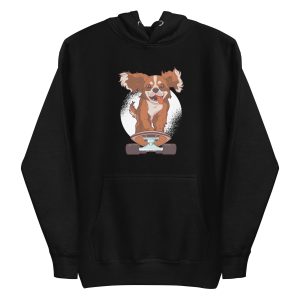
Cavalier Dog Skater Hoodie
Starts from $41.99
Mobilizing the Community If an Escape Occurs
If your pet does slip past your physical barriers despite your precautions, rapid community mobilization is critical. While local shelters will automatically scan any incoming animal for a microchip, broadcasting their description to neighbors remains essential.